Bill Maher’s Bombshell: Hollywood Needs to ‘Just Shut the F*** Up’ – Is He Right?!
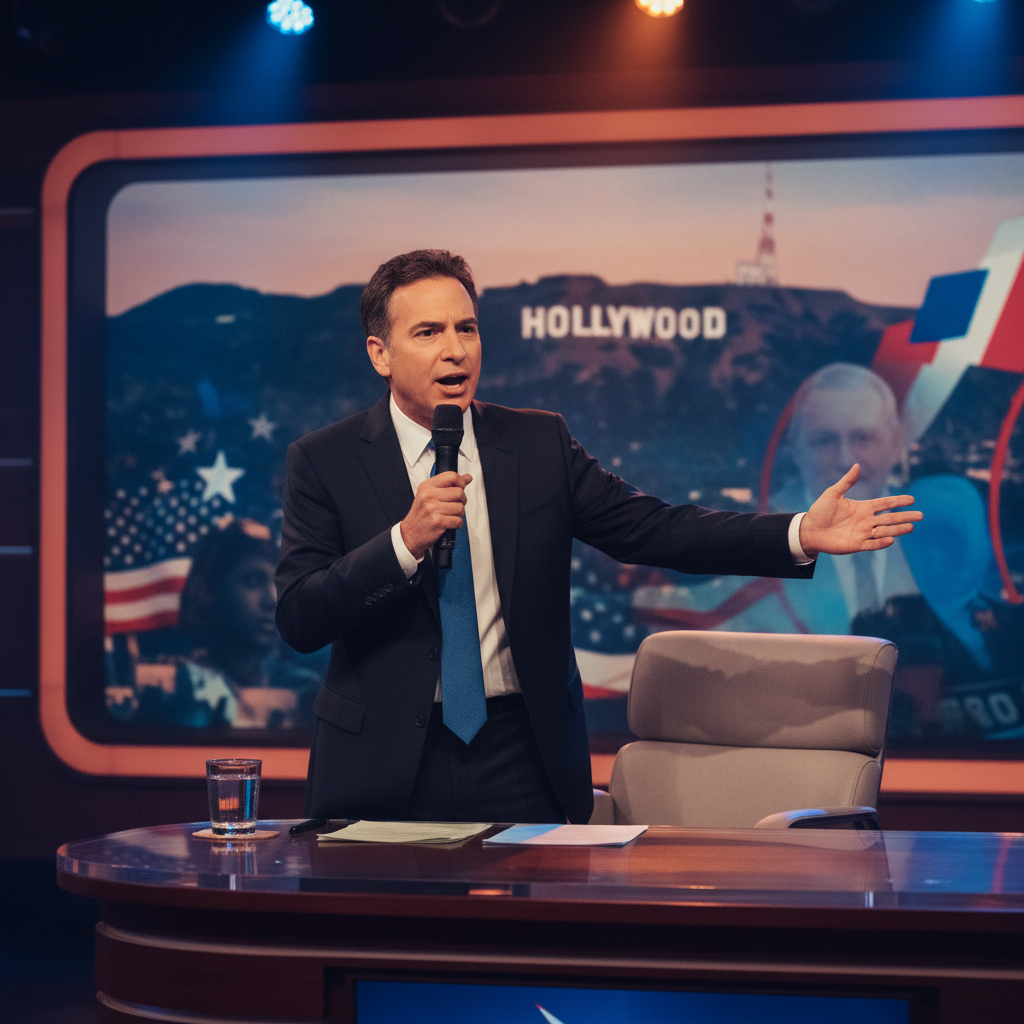
Hold onto your popcorn, folks, because HollywoodReporter.com just dropped a bombshell that has the entertainment world absolutely ELECTRIC! The ever-unfiltered, always-controversial Bill Maher has publicly declared that Hollywood’s vocal political leanings are actually HANDICAPPING the Democratic Party. Yes, you read that right. The veteran comedian and political commentator didn’t mince words, delivering a scathing rebuke that reverberated through Tinseltown and beyond. He essentially told Tinseltown to “just shut the f*** up.” And honestly, the internet is having an absolute meltdown.
This isn’t just another celebrity expressing an opinion; this is a prominent voice within the liberal sphere directly criticizing his own flock. Maher, known for his no-holds-barred approach on ‘Real Time’, articulated a sentiment that many whisper but few dare to broadcast: that the constant, often perceived as out-of-touch, political commentary from Hollywood’s elite might be doing more harm than good for the very causes they champion. Is he a prophet or just stirring the pot? Let’s dive deep into this blazing controversy!
The Unvarnished Truth: Maher’s Blistering Critique Unpacked
So, what exactly got Bill Maher’s goat this time? During a recent segment that has now gone viral across all social media platforms, Maher launched into a tirade, suggesting that the public’s perception of Hollywood’s political engagement is a significant liability for Democrats. He argued that the average American, particularly those in swing states or the working class, often sees celebrity endorsements and impassioned speeches not as inspiring calls to action, but as alienating, elite, and often hypocritical. This isn’t just a casual observation; it’s a strategic analysis from someone who has been navigating the treacherous waters of political discourse and entertainment for decades. Maher implied that the constant stream of politically charged messaging from A-listers, while well-intentioned, often comes across as preachy and disconnected from the everyday struggles of ordinary people. He painted a picture of a populace increasingly weary of being lectured by multi-millionaire actors, directors, and producers. The stark contrast between celebrity lifestyles and the economic realities faced by many American families creates a chasm of credibility that even the most compelling performances can’t bridge.
His central point? When celebrities wade into political debates, particularly with an air of moral superiority, they inadvertently create a backlash that benefits the opposition. This creates a fascinating paradox: the very people attempting to sway public opinion might be inadvertently pushing it in the opposite direction. It’s a classic case of the ‘streisand effect’ but applied to political campaigning. The more Hollywood amplifies its voice, the more some segments of the population actively tune out or, worse, develop an active disdain for the messages being conveyed. Maher’s argument is less about the validity of the political positions themselves and more about the effectiveness of the messengers. He’s questioning the strategy, not necessarily the sincerity of the stars. It’s a tactical critique, pure and simple.
Why This Statement is Sending Shockwaves Through Tinseltown
In the highly insular world of Hollywood, where many stars share similar political ideologies and movements, Maher’s comments are nothing short of a seismic event. This isn’t a conservative pundit laying into the liberal establishment; this is one of their own, shaking the foundations of their self-perception. It forces a difficult, uncomfortable question: are we, despite our good intentions, actually doing more harm than good? This kind of internal criticism is rare, precisely because it threatens the comfortable echo chamber many celebrities inhabit. When Bill Maher, a vocal supporter of many progressive causes, says Hollywood needs to zip it, people listen. Or at least, they react. And boy, are they reacting!
The statement challenges the very premise of celebrity advocacy, which has become a cornerstone of modern political campaigning. From star-studded fundraisers to viral social media campaigns, Hollywood’s influence in politics is undeniable. But Maher’s critique suggests that this influence might be a double-edged sword. While it can mobilize certain demographics and raise significant funds, it can also alienate the very independent and undecided voters that Democrats desperately need to win over. His words implicitly question the efficacy of celebrity endorsements, suggesting that they might not be the electoral gold they are often perceived to be. This is a direct shot at the heart of Hollywood’s self-appointed role as political influencers and moral compasses for the nation. It forces a reckoning, a moment of introspection that is often avoided in the glittering, self-congratulatory atmosphere of awards season and charity galas. It’s a truth bomb that some will inevitably see as a betrayal, while others might quietly acknowledge its uncomfortable validity.
The Public’s Verdict: A Deeply Divided Reaction
As you can imagine, the internet exploded faster than a Bollywood dance number on steroids! Social media platforms are ablaze with fervent debates. On one side, you have those vehemently agreeing with Maher, echoing sentiments that Hollywood is indeed out of touch. Comment threads are flooded with remarks like, “Finally, someone said it! Celebrities always sound like they’re lecturing us.” and “Their advice feels so hollow when they live in mansions and fly private jets.” This sentiment is particularly strong among those who feel politically disenfranchised or economically strained, seeing the celebrity lifestyle as an insurmountable barrier to genuine understanding.
On the other hand, a significant portion of users are blasting Maher, labeling his comments as a betrayal of progressive values and an unfair generalization. They argue that celebrities have every right to use their platforms for good, to advocate for social justice, climate change, and other crucial issues. Tweets like, “So, only the rich and powerful get to speak up now? That’s what you’re saying, Bill?” and “This is just undermining our own allies! Shameful.” are dominating the discourse. Many also point out that celebrity involvement brings much-needed attention and funding to vital causes. The sheer volume of reactions speaks volumes: Maher has hit a nerve, exposing a raw, festering wound in the broader discussion about political influence and public perception.
The polarizing nature of the responses highlights the intricate dance between fame, influence, and political efficacy. There’s no easy answer, no universally accepted truth on how celebrities should engage with the political landscape. Maher’s statement has simply amplified the existing fault lines, forcing everyone to confront their own biases and beliefs about who gets to speak, and how. It’s a messy, complex conversation, and the fact that it’s happening with such intensity is a testament to the power of Maher’s unfiltered opinion and the deep divisions within society itself.
Bollywood’s Takeaway: A Mirror for Our Own Stars?
While Bill Maher’s comments were directed squarely at Hollywood, his critique resonates powerfully with the entertainment industry globally, including our very own Bollywood. Indian celebrities often find themselves in a similar tightrope walk: using their enormous platforms for social awareness while navigating the fierce scrutiny of public opinion. Does the ‘just shut up’ mantra apply to Shah Rukh Khan, Priyanka Chopra, or Akshay Kumar? It’s a question worth pondering.
In India, the stakes are arguably even higher. The political landscape is incredibly charged, and celebrity endorsements (or even perceived leanings) can lead to fan boycotts, social media witch hunts, and even real-world consequences. We’ve seen instances where actors have been lauded for speaking out on certain issues, and mercilessly trolled or cancelled for others. The line is often blurry, and the rules are constantly shifting, making the decision to speak or remain silent a truly high-stakes gamble. The pressure on Bollywood stars to be ‘socially responsible’ is immense, yet the moment they step into the political arena, they risk alienating vast swathes of their fan base. Maher’s comments serve as a fascinating case study – a cautionary tale, perhaps – for how celebrity idealism can sometimes backfire in the court of public opinion. It forces us to ask: Is there a more effective way for our beloved Bollywood icons to contribute to national discourse without inadvertently creating a wedge between themselves and their audience? Perhaps it’s less about what they say, and more about how and when they say it. This debate isn’t just an American phenomenon; it’s a global conversation, and our Bollywood stars are undeniably part of it, whether they choose to speak or not.
The Ethics of Celebrity Activism: A Deeper Dive
Maher’s provocative statement compels us to delve deeper into the complex ethics surrounding celebrity activism. On one hand, many famous personalities genuinely feel a moral obligation to use their significant influence for good. They argue that their unparalleled reach can bring critical attention to overlooked issues, mobilize resources, and inspire civic engagement in ways that traditional media or politicians often cannot. After all, isn’t it admirable for someone with a massive platform to advocate for climate action, human rights, or educational reform?
However, the counter-argument, amplified by Maher, posits that this very influence can be problematic. Critics often point to several key issues:
- Lack of Lived Experience: Celebrities, by virtue of their wealth and insulated lifestyles, often lack firsthand experience with the struggles facing the majority. This can lead to pronouncements that sound tone-deaf or overly simplistic, making them seem detached from reality.
- Perceived Hypocrisy: When stars champion environmental causes while flying private jets, or advocate for workers’ rights while their own staff are reportedly underpaid, the public is quick to cry hypocrisy. This erodes credibility faster than any eloquent speech can build it.
- Shallow Engagement: Surface-level activism, often reduced to social media posts or brief appearances, can sometimes trivialise complex issues, turning them into mere trends rather than subjects of serious discourse. This can be seen as performative rather than truly impactful.
- Undue Influence: The sheer power of celebrity can distort political discourse. An actor’s endorsement might sway voters who are influenced by fame rather than thoughtful policy analysis, potentially undermining democratic principles.
- Alienation of Moderate Voters: As Maher highlighted, when celebrities become overly partisan, they risk alienating the vast swaths of moderate or independent voters who might otherwise be open to a particular candidate or policy. It can create an ‘us vs. them’ dynamic that hardens political divisions rather than bridging them.
The ethical tightrope is incredibly fine. While the intent might often be pure, the impact is what truly matters, and Maher’s argument forces a hard look at whether the current approach to celebrity political engagement is, in fact, net positive or net negative for the causes they champion and the political parties they support. It’s a question of strategy, impact, and perception – a holistic view that often gets lost in the passion of advocacy.
The Power of Silence? Or Strategic Selection?
So, if Bill Maher’s ‘shut up’ directive has any merit, what’s the alternative for politically engaged celebrities? Does it mean complete silence? Not necessarily. Many argue for a more strategic and nuanced approach:
- Focus on Specific Causes, Not Partisan Politics: Instead of endorsing candidates or parties directly, celebrities could amplify their impact by focusing on specific, non-partisan causes (e.g., literacy campaigns, disaster relief, mental health awareness) where their platform can genuinely make a difference without alienating a large segment of the population.
- Use Platform for Education, Not Dogma: Instead of telling people what to think, celebrities could use their platform to encourage critical thinking, provide factual information from experts, or stimulate discussions around complex issues, empowering their audience to form their own opinions.
- Lead by Example: Actions often speak louder than words. Celebrities who actively invest in sustainable businesses, support local communities, or volunteer their time demonstrate their commitment in a more tangible and less preachy way.
- Amplify Grassroots Voices: Rather than always being the loudest voice in the room, celebrities could use their reach to shine a light on grassroots activists, community organizers, and everyday heroes who are doing the groundwork, giving them a much-needed spotlight.
- Authenticity and Humility: When celebrities do choose to speak on political matters, doing so with authenticity, empathy, and a degree of humility can make their message more palatable and less alienating. Acknowledging their privileged position can go a long way.
The goal isn’t to silence passionate voices, but to ensure that those voices are heard effectively and resonate positively, rather than creating further division or unintended sabotage. Maher’s controversial statement, therefore, isn’t just a critique; it’s an opportunity for introspection regarding the most impactful way to wield that immense celebrity power. The conversation isn’t about whether celebrities should have opinions, but rather how they express them to achieve the greatest positive outcome, avoiding the pitfalls of perceived elitism or hypocrisy that can detract from their noble intentions. This nuanced approach could be the key to ensuring that celebrity activism is genuinely effective, fostering unity and progress rather than division and backlash, both in Hollywood and Bollywood alike.
Maher’s Track Record: Always Pushing Boundaries
This isn’t the first time Bill Maher has ruffled feathers within his own political camp. For years, he has carved out a unique niche as a self-proclaimed ‘contrarian liberal,’ unafraid to criticize the Democratic Party, progressive movements, or ‘wokeness’ when he feels they’ve gone too far or lost touch with mainstream America. This consistent willingness to challenge conventional wisdom, even from those he largely agrees with politically, is precisely what makes him such a compelling, albeit polarizing, figure.
His past critiques have ranged from lampooning ‘cancel culture’ to questioning certain aspects of identity politics, always with the underlying message that an overzealous or absolutist approach can be detrimental to the broader goals of liberalism. He argues that by alienating potential allies or adopting stances viewed as extreme by the general public, progressives risk undermining their own agenda. This ‘tough love’ approach distinguishes him from many of his peers in the entertainment industry, making his voice distinct and often uncomfortable for those who prefer an ideological echo chamber. Whether you agree with him or not, Maher forces a vital conversation that many prefer to avoid, cementing his role as a provocateur of the highest order in American political commentary.
The Final Verdict: Is Hollywood Shooting Itself in the Foot?
Bill Maher’s declaration that Hollywood needs to “just shut the f*** up” because it’s hurting the Democratic Party is more than just a soundbite; it’s a critical challenge to the conventional wisdom of modern celebrity activism. It forces both celebrities and the public to confront uncomfortable truths about influence, perception, and political efficacy. While the intention behind celebrity advocacy is often noble, the execution, as Maher argues, might be severely miscalibrated, leading to unintended consequences that further polarize an already fractured society. The debate is far from over, and it’s a conversation that will undoubtedly continue to shape how we view the intersection of entertainment, politics, and power. What do YOU think? Is Maher right? Are Hollywood’s outspoken stars alienating the very people they’re trying to reach? Or is it their moral imperative to speak truth to power? The comment section is open – let the fiery debate continue!